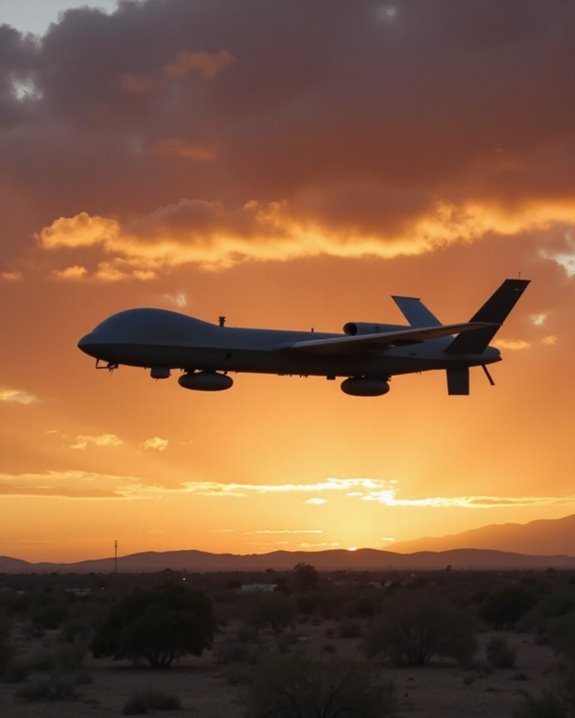
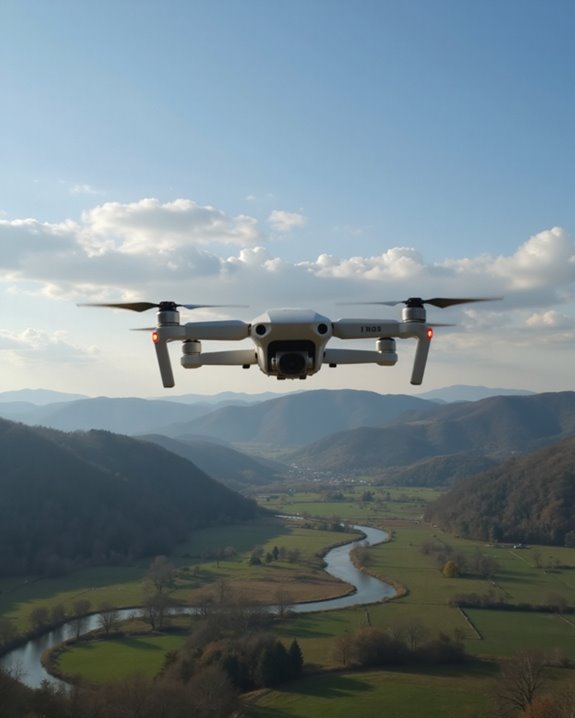
Ukraine has trained thousands of drone pilots already, with plans ramping up to support its ambitious goal of deploying 2.5-3 million military drones by 2026! The accelerated training programs now transform complete beginners into combat-ready operators in as little as 30 days. Specialized academies like KRUK and DCG in Kyiv offer everything from crash courses to thorough programs. Thanks to AI-enhanced training systems and flight simulators, Ukraine’s drone force continues to grow exponentially every month.
Key Takeaways
- Ukraine has thousands of trained drone pilots ready in its military forces.
- The country plans to train 2 million drone operators to meet battlefield demands.
- Training programs can produce proficient pilots in as little as 30 days.
- AI-guided training systems have reduced basic operator training time to just 30 minutes.
- Training pipelines are designed to match the production capacity of 200,000 drones monthly.
Current Drone Force Numbers: Ukraine’s Military Pilot Training Pipeline
You may be interested


Drone Crash Incident in New Jersey: What Happened?

Drone Strike Location in Tel Aviv: Key Details
Thousands of drone pilots stand ready as Ukraine’s military transforms its aerial capabilities, though exact training figures remain closely guarded information. With plans to deploy over 4.5 million FPV drones in 2026 alone, Ukraine’s training pipeline must be operating at unprecedented scale!
Enrollment figures, while not publicly disclosed, likely reflect Ukraine’s massive drone production capacity of 200,000 units monthly. Pipeline analysis suggests a sophisticated training infrastructure has developed to match the country’s 96% domestic drone procurement strategy. Consider this: each of those 2.5-3 million military drones requires skilled operators, creating enormous demand for qualified personnel.
The training system certainly faces logistical challenges, balancing the need for both tactical FPV pilots and specialists capable of managing strategic long-range systems that can strike targets 1,700 kilometers inside Russian territory.
Accelerated Training Programs: From Zero to Combat-Ready in One Day

How quickly can a civilian transform into a combat-ready drone pilot? Ukraine’s military has developed remarkable Crash Course programs that compress essential skills into just two to three weeks of intensive training. Trainees, especially those with gaming backgrounds, show impressive Rapid Adaptation to FPV drone controls!
The process begins with flight simulators (think high-tech video games), before advancing to hands-on practice with robot targets. Training centers like Dronarium and Drone Fight Club focus on practical combat scenarios, teaching pilots to assemble their own drones and use battlefield intelligence software.
Highly motivated students can become proficient in as little as 30 days, with many returning to the front immediately after completion. This accelerated approach highlights Ukraine’s innovative response to wartime demands, where technological aptitude often matters more than physical strength.
Recommended Products
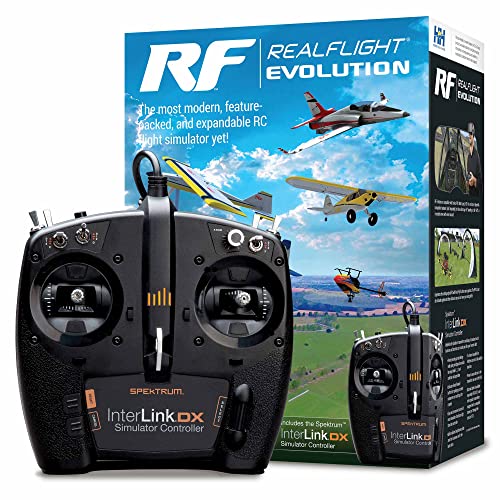
A fresh and modern user interface that’s even easier and more intuitive to use, virtually eliminating the need to use a mouse or keyboard with the InterLink DX controller
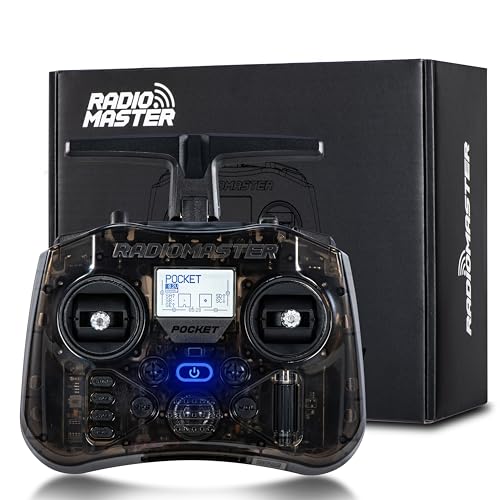
【ELRS Compatibility】The Radiomaster Pocket remote control supports the ExpressLRS protocol and comes pre-installed with the EdgeTX system, providing a more stable long-range connection and low-latency control. It is suitable for FPV drones, RC multirotors, RC helicopters, fixed-wing models, RC cars, RC boats and RC robots. This product does not include batteries, two Radiomaster 18650 batteries must be purchased separately
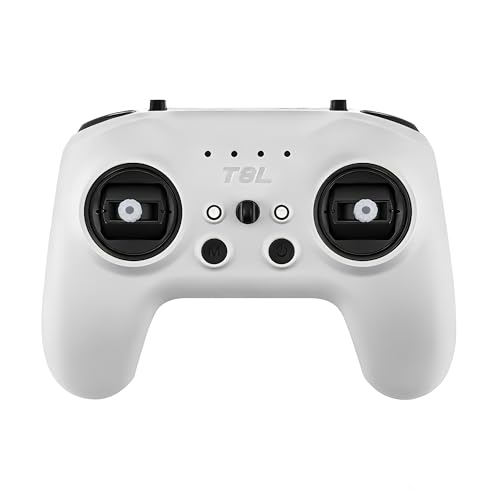
Precision Hall-Effect Gimbals – Equipped with quad-bearing X5 Hall-effect nano gimbals, the T8L delivers smooth, drift-free control with zero mechanical wear. Enjoy consistent, accurate stick movements for micro-drones, fixed-wing planes, and all your RC aircraft needs
AI-Enhanced Training: Reducing the Learning Curve for New Pilots

While traditional training methods have proven effective, the Ukrainian military has taken pilot education to new heights by incorporating artificial intelligence into their programs. These AI-powered platforms like DroneIt’s “Kate” offer personalized training paths that adapt to each recruit’s learning pace and style, dramatically shortening the typically steep learning curve!
Virtual simulations powered by Unreal Engine create immersive training environments where pilots can safely experience challenging scenarios, from mechanical failures to unexpected weather changes. The system’s AI Ethics framework guarantees scenarios remain realistic rather than unnecessarily dangerous, balancing training rigor with psychological well-being.
Machine learning algorithms continuously analyze performance data, identifying specific skills needing improvement and adjusting subsequent training sessions accordingly. This targeted approach allows recruits to become combat-ready in record time, a vital advantage in Ukraine’s ongoing defense efforts.
Recommended Products
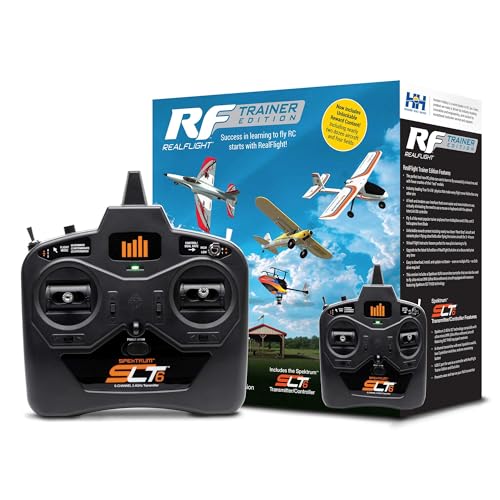
The perfect tool new RC pilots can use to learn to fly successfully in less time and with fewer crashes of their “real” models

Practice FPV on Your Phone or Tablet — The S8 Pro with OTG adapter is designed for beginner drone pilots who want to practice FPV simulator control on mobile devices before flying a real drone. It helps build throttle, yaw, pitch, and roll muscle memory while reducing crash risk and beginner training cost

A fresh and modern user interface that’s even easier and more intuitive to use, virtually eliminating the need to use a mouse or keyboard with the InterLink DX controller
Scaling Challenges: Meeting the Demand for 2 Million Drone Operators

Ukraine’s ambitious goal of training 2 million drone operators presents a mountainous challenge that extends far beyond traditional military scaling efforts. Demand Forecasting models must account for both the current conflict needs and the planned production surge of 500,000 drones monthly by late 2026.
The Logistical Barriers are formidable, though AI-enhanced training systems offer a silver lining! While conventional training might take weeks, Ukraine’s new protocols can prepare basic operators in as little as 30 minutes. This dramatic reduction in training time is essential for meeting operational demands.
Weather conditions and Russian jamming technologies continue to complicate both training and deployment efforts. European allies, impressed by Ukraine’s drone tactics, are establishing similar facilities to address their own operator shortages, with Estonia’s new NATO-compatible center being a prime example.
Training Effectiveness Metrics: Success Rates and Operational Readiness

Behind every successful drone mission lies a set of powerful metrics that tell the real story of Ukraine’s training revolution. The Metrics Evaluation shows dramatic improvements, with autonomous navigation boosting target engagement success rates from a mere 10-20% to an impressive 70-80%!
Readiness Assessment reveals that soldiers now master drone operation in as little as 30 minutes to one day, a game-changer for battlefield adaptability. With Free Air school already training 5,000 Ukrainian personnel across military and civil services, the operational impact is undeniable. The training curriculum smartly integrates both manual control and AI-assisted functionalities, allowing a single operator to conduct multiple successful strikes daily. This efficiency translates directly to combat effectiveness – what once required nine drones can now be accomplished with just one or two, thanks to thorough training programs aligned with NATO standards.
Specialized Training Tracks: FPV vs. Reconnaissance Pilot Requirements

How exactly does training differ for Ukraine’s two primary drone warfare specialties?
The contrast between FPV and reconnaissance training reflects their distinct battlefield roles. FPV Innovations focus on high-speed, precision maneuvers with courses like Dronarium’s specialized program requiring pilots to master acrobatic techniques during an intensive 34-day curriculum. These pilots need quick judgment skills and existing drone experience to navigate dynamic environments! Meanwhile, Reconnaissance Adaptations emphasize patience, strategic planning, and observation skills. These pilots train extensively on surveillance protocols, system familiarization, and teamwork with ground forces. The equipment complexity differs too – FPV pilots handle lighter, agile drones while reconnaissance specialists operate platforms carrying more sophisticated sensors. Ukraine’s training infrastructure, spanning over 30 MOD-whitelisted schools like Boryviter, accommodates both paths with tailored programs that transform civilian skills into battlefield capabilities.
Recommended Products
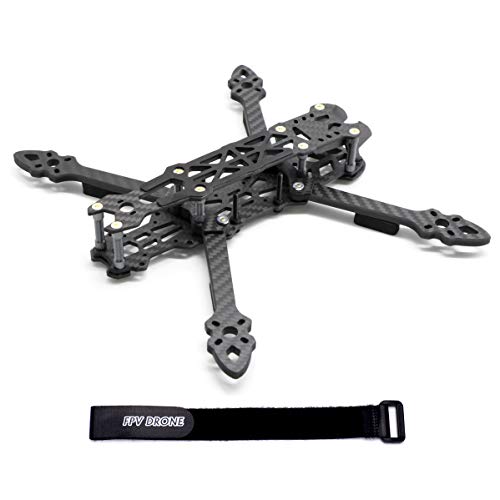
High quality 3K carbon fiber plate, high CNC processing.

𝐘𝐨𝐮𝐫 𝟏𝐬𝐭 𝐃𝐈𝐘 𝐃𝐫𝐨𝐧𝐞 - F450 is the best DIY drone for both beginners to learn the basics and experts to conduct research or secondary development.

Crisp 1080P/60FPS with Ultra-Wide Night Vision: Powered by a large 1/1.8-inch Starvis II sensor, 160° ultra-wide FOV, and advanced H.265 encoding, capture more of your surroundings with stunning clarity day or night. Perfect for immersive FPV flights through city skylines, forests, and outdoor trails
Civilian-to-Military Transition: Leveraging Existing Technical Skills

Why do technical professionals and hobbyists find themselves suddenly valuable on Ukraine’s front lines? The answer lies in the remarkable Skill Adaptation happening throughout the country’s defense forces. Programmers, electronics enthusiasts, and robotics buffs are discovering their civilian expertise translates directly to battlefield applications!
Experience Utilization has become a cornerstone of Ukraine’s drone strategy, with military units actively recruiting from technology-related fields. Someone who once programmed delivery robots might now configure autonomous reconnaissance drones. This civilian-to-military pipeline bridges critical skill gaps, allowing training programs to focus on military-specific needs rather than technical fundamentals.
The shift works both ways – accelerated training programs, sometimes as short as 30 minutes, help technically-minded individuals quickly adapt to battlefield requirements. For Ukraine’s tech community, yesterday’s hobby has become today’s frontline asset! Maintaining Part 107 certification and regular equipment inspections ensures these pilots meet professional safety and operational standards.
Regional Training Centers: Distribution of Drone Pilot Academies

A sprawling network of UAV training centers has emerged across Ukraine’s urban landscape, creating a sophisticated ecosystem for drone pilot development! Major cities, especially Kyiv with its central location and high population density, have become hubs for these academies. The Regional Impact of these centers extends beyond just military training, as they’ve transformed local economies and created specialized technical communities.
Ministry of Defense-accredited facilities like KRUK and WeTrueGun have established training grounds that minimize Environmental Effects while maximizing learning potential. These centers cleverly repurpose urban spaces for simulation training before moving to larger field exercises. Kyiv’s DCG facility, for instance, offers extensive programs ranging from several weeks to months, depending on specialization needs. Who knew drone training could bring such vibrant technical ecosystems to Ukraine’s cities?
Recommended Products


Channels: 6~8-CH RC Flight Simulator Controller

Practice FPV Before You Fly Real‑Life Craft — The S8 Pro FPV simulator controller is designed for beginner pilots to build stick control, throttle feel, and flight muscle memory in simulator software before flying real‑life craft. It helps reduce crash risk, repair cost, and beginner frustration during early training.
Training Resource Allocation: Equipment and Instructor Availability

Ukraine’s remarkable drone training ecosystem extends far beyond physical locations into a sophisticated web of resource management! The military has strategically allocated Equipment Funding toward low-cost commercial drones that instructors transform into effective long-range weapons, maximizing combat potential while minimizing expenses.
Instructor Recruitment prioritizes battle-hardened veterans who can compress complex skills into streamlined 20-25 hour training regimens—talk about efficiency! With AI-guided systems requiring as little as 30 minutes of training time, Ukraine’s investment in next-generation technology pays dividends on the battlefield. These smart drones show a twelve-fold increase in effectiveness compared to traditional models, making every hryvnia count!
The drive to counter Russian aggression fuels continuous innovation, with experienced instructors helping Ukraine’s drone forces outperform more expensive foreign systems through tactical ingenuity and rapid adaptation.
Recommended Products

【3-Size Progressive Training System】 Master FPV racing skills with our multi-stage obstacle course! Featuring 20"/23"/27" diameter hoops for beginner to advanced challenges. Create custom race routes to improve precision flying and obstacle avoidance techniques (drone not included !)
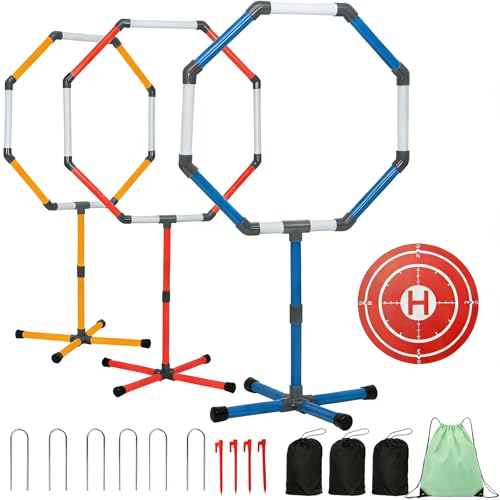
3 Size Progressive Training System: Still worried about how to train your drone? Now, This versatile FPV drone obstacle course accommodates all drone types -large drones, mini drones, and FPV models. Featuring 20/23/27-inch hoops allow beginners to adjust the track difficulty with ease. for beginner to advanced challenges. Create custom race routes to improve precision flying and obstacle avoidance techniques (NOTE:No included drone )

NATO Training Standards: Collaboration and International Certification

Seamless cooperation between Ukrainian forces and their Western allies establishes an essential foundation for NATO Training Standards that maximize battlefield effectiveness! The risk-based approach categorizes operations into Open, Specific, and Certified levels, ensuring drone pilots receive training appropriate to mission complexity. Global Alliances benefit from this standardized framework, which promotes interoperability while reducing operational risks.
Ukrainian drone operators trained under NATO standards gain internationally recognized credentials, thanks to Certification Alignment with frameworks like STANAG 4671 and 4703. This clever system means a pilot certified in Ukraine can operate effectively alongside forces from other member states without missing a beat! The dual-certification path—meeting both military and civilian EASA requirements—gives Ukrainian pilots unprecedented flexibility for deployment across different jurisdictions, a true game-changer for modern operations.
Frequently Asked Questions
How Do Ukrainian Drone Pilots Handle Psychological Stress?
Ukrainian drone pilots manage psychological stress through established stress coping mechanisms and develop mental resilience through team support, rotation of duties, and access to psychological resources, though thorough data on their specific experiences remains limited.
What Career Paths Exist for Drone Pilots After Military Service?
Soaring beyond battlefield horizons, former military drone pilots find Civilian Opportunities in aerial photography, infrastructure inspection, and agriculture. Industry Shifts include security firms, conservation projects, technical development, education, and entrepreneurial ventures.
How Are Female Drone Pilots Integrated Into the Program?
Female drone pilots benefit from growing training equality in Ukraine’s programs, though specific integration data is limited. Support networks from the 30+ whitelisted schools and volunteer organizations help create inclusive pathways for female operators.
What Compensation Do Ukrainian Drone Pilots Receive?
Ukrainian drone pilots’ exact compensation remains undisclosed in public reports. Pay scales likely vary based on military rank and experience, with potential bonus incentives for successful operations while serving in volunteer or Defence Forces capacities.
How Does Ukraine Protect Drone Pilot Identities During Operations?
Like shadows in the digital domain, Ukrainian drone pilots benefit from robust identity protection through secure communications, encryption technologies, and anonymity measures. Operational secrecy and decentralized command structures shield operators from counter-intelligence efforts during missions.