
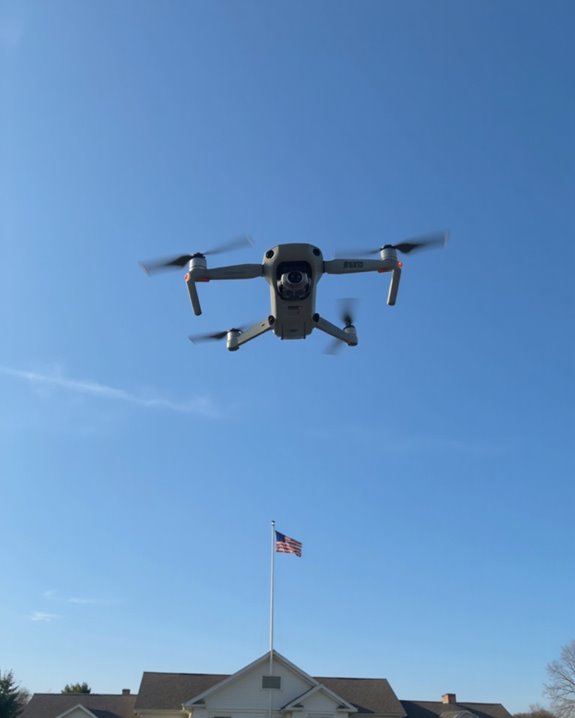

DJI drones aren’t universally banned, despite widespread misconceptions! Currently, no global ban exists, though specific countries have implemented varying restrictions. The US is considering potential limitations through the NDAA by late 2026, while the EU, Canada, and Australia enforce registration and operational guidelines instead of outright prohibitions. DJI has actively requested security audits and pushed for evidence-based policies amid scrutiny. Understanding your local regulations is essential before launching your new drone into those beautiful skies!
Key Takeaways
- DJI drones are not banned globally, though they face potential restrictions in the US via FY 2026 NDAA by late 2026.
- The US government has imposed purchasing restrictions for federal agencies but hasn’t enacted a general consumer ban.
- In the EU, Canada, Australia, and UK, DJI drones remain legal but subject to each country’s registration and operational regulations.
- DJI has requested security audits and advocates for evidence-based decisions to address concerns about their products.
- Recent geofencing changes and firmware updates reflect DJI’s efforts to comply with evolving international regulations and security requirements.
The Current Legal Status of DJI Drones Worldwide
You may be interested


Are Drones a Cause for Concern?

Are Drones Illegal? Understanding Drone Regulations
The world of drone regulations presents a complex, ever-shifting landscape for DJI drone owners and enthusiasts. Currently, DJI drones aren’t banned in the US, though they face increasing scrutiny with the FY 2026 National Defense Authorization Act potentially leading to restrictions by late 2026. What a difference a border makes!
The Regulatory History of DJI products reveals interesting Country Comparisons, with the EU requiring registration and safety compliance, while Canada enforces operational guidelines. Australia’s strict laws limit where you can fly, and the UK emphasizes privacy concerns. Meanwhile, India has just rolled out new regulations focusing on security.
Government agencies in some countries have already banned DJI for official use, though civilian operations generally continue. For drone pilots, staying updated on these evolving regulations is absolutely vital! Additionally, drone weight categories such as those under 249g for FAA exemption play a crucial role in legal requirements and operational freedoms worldwide.
Recommended Products

GPS Drone with 4.5 Inch Screen on Controller: The GPS drone long range remote features a 4.5 inch HD display for real-time transmission, instantly previewing footage and capturing every moment. Stay in full control of your drone’s flight with crystal-clear visuals.

【1/2" 48MP CMOS & 3-Axis Gimbal】Equipped with a premium 1/2" 48MP CMOS sensor, this drone captures superior light and detail for stunning 8K photos and 4K/30fps video. The 3-axis brushless gimbal and EIS technology ensure ultra-smooth cinematic footage.
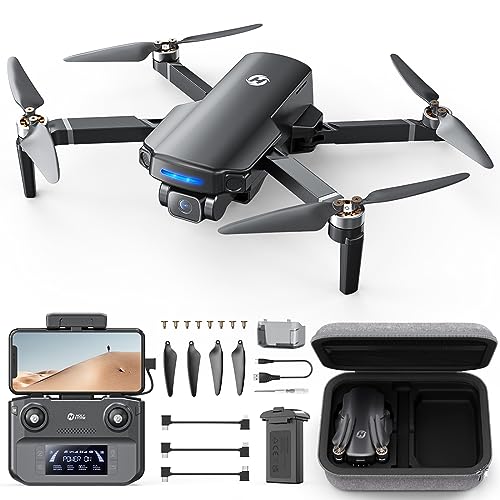
Extremely Lightweight, No FAA or Remote ID Registration: HS360S, drone with camera for adults featuring the Holy Stone latest design, weighs less than 250g; this GPS drone offers the perfect solution for hassle-free flying in the States without FAA or Remote ID registration. Perfect for capturing stunning footage on the go.
Understanding China’s Export Control Regulations
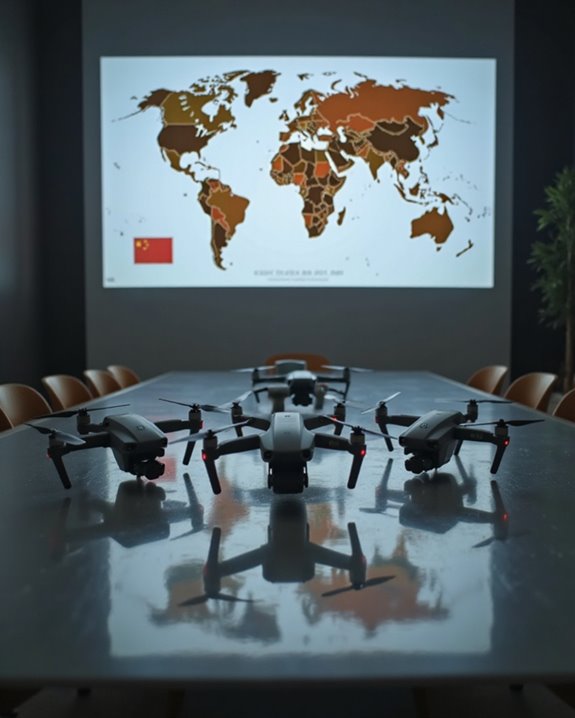
China’s export control regulations represent a sophisticated matrix of restrictions designed to safeguard national security while managing the global flow of drone technology. The Ministry of Commerce, working alongside other government departments, has crafted Export Policies that specifically target dual-use technologies like infrared imaging equipment, lasers, and hyperspectral cameras.
The Regulatory History shows consistent evolution, with significant adjustments made as recently as August 2026! These controls aren’t just about keeping military tech secure—they’re reshaping global supply chains right before our eyes. Companies worldwide, especially those dependent on Chinese components, are scrambling to adapt to these new realities. The restrictions particularly impact communication instruments and anti-drone systems, creating ripple effects throughout the industry. For drone enthusiasts, these regulations represent an important backdrop to understanding why certain technologies might face limitations! Additionally, the use of drone jammers is heavily restricted under these policies, reflecting concerns over signal interference and legal compliance.
DJI’s Response to International Scrutiny
While China’s export regulations shape the global landscape, the company at the center of these discussions faces its own unique challenges. DJI has mounted a bold PR tactics campaign, openly requesting that U.S. security agencies conduct a thorough audit of its drones. “We have nothing to hide!” seems to be their rallying cry, as they confidently invite scrutiny.
The leadership response has been proactive rather than defensive. Instead of dodging concerns, DJI executives are actively engaging with the Department of Commerce during the public comment period. They’re pushing back against what they call “fear-based narratives” and advocating for evidence-based decisions. Smart move! By seeking transparency and demonstrating openness to oversight, DJI hopes to distinguish itself from the typical corporate dance around security concerns that so many Chinese tech companies perform.
Recommended Products
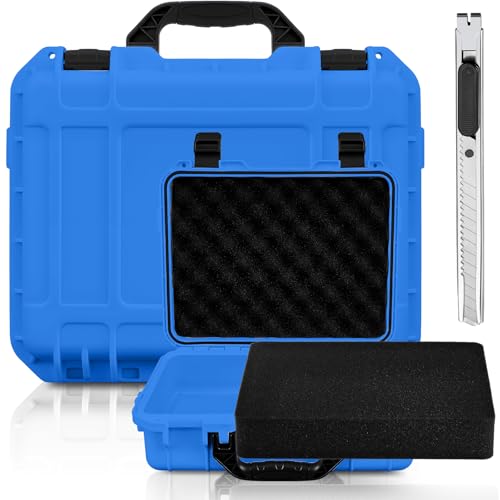
Complete Protective Package: the package comprises a robust hard case with a DIY customizable foam insert and a knife for foam cutting; With this combination, you get ideal protection for your valuables

Heavy-Duty Durable Material: Gearantics weatherproof hard case is crafted from high-strength polycarbonate composite PP, delivering exceptional impact, scratch and shatter resistance for harsh environments. Its rugged build delivers long-lasting reliable protection for your sensitive electronics, precision equipment and professional gear across daily storage, transit and outdoor use.

Technical Specifications Affected by Restrictions
Significant shifts in DJI’s geofencing system have fundamentally altered how drone pilots interact with restricted airspace, though not the core technical capabilities of the devices themselves. While DJI removed automatic flight restrictions in formerly restricted zones, the drones’ internal hardware and performance specs remain unchanged.
The most substantial changes appear in firmware updates, which now replace hard restrictions with Enhanced Warning Zones that alert pilots to sensitive areas. These warnings rely on sensor enhancements that maintain internet connectivity to provide real-time airspace data. You’ll need to stay connected to receive these critical updates!
The responsibility falls squarely on you, the pilot. DJI’s technical systems now focus on providing the information you need to make smart decisions, rather than automatically preventing flights in controlled airspace. Fly smart, fly informed!
Additionally, for compliance with current regulations, many DJI models can be equipped with Remote ID modules that provide real-time GPS tracking and identification.
Recommended Products

【𝐔𝐩𝐠𝐫𝐚𝐝𝐞𝐝 𝐁𝐞𝐞𝐩𝐞𝐫 𝐅𝐞𝐚𝐭𝐮𝐫𝐞】The R111S drone remote id module includes a built-in beeper, making it easier to locate lost aircraft. This enhancement provides added convenience when retrieving your drone from challenging locations, adding another layer of safety and control to the flying experience.

FAA Regulation Compliance: Holy Stone is committed to working out a solution to the US FAA Declaration of Compliance for our rc drone consumers; here we got the Remote ID Module Parts to solve the FAA Compliance issue. No more worry about the FAA Regulations.

𝗦𝗮𝗳𝗲 𝗖𝗵𝗮𝗿𝗴𝗲 𝗖𝗮𝗯𝗹𝗲: Without worrying about any charging safety hazards. The original type-c cable of Potensic remote id module has overcharge protection and will automatically stop charging when fully charged
The Impact of Geopolitical Tensions on Drone Availability
The United States government has recently intensified its scrutiny of DJI drones, creating unprecedented challenges for both the Chinese manufacturer and American drone enthusiasts. The geopolitical chess match between the U.S. and China has real Economic Effects on the drone market, with Customs and Border Protection now stopping DJI products at entry points! This uncertainty leaves consumers wondering if they’ll have access to these popular devices next month, next year, or ever again.
The Political Ramifications extend beyond simple trade disputes, as Section 1709 of the NDAA 2026 could automatically blacklist DJI drones by December 2026 if security reviews aren’t completed. Meanwhile, the Department of Commerce’s concerns about “foreign adversary influence” further complicate matters. For drone pilots, this diplomatic tug-of-war means potentially limited choices in an increasingly restricted marketplace.
Recommended Products

📷【Drone with Camera】 Equipped with a 1080P HD 80°adjustable lens, the drone not only assists you in catching every wonderful moment from a bird's-eye perspective, but is also perfect for selfies. It can even be used to check the roof of a house or other hard-to-reach areas. You can enjoy the real-time HD pictures and videos via the APP. Automatically take photos/videos with gestures.
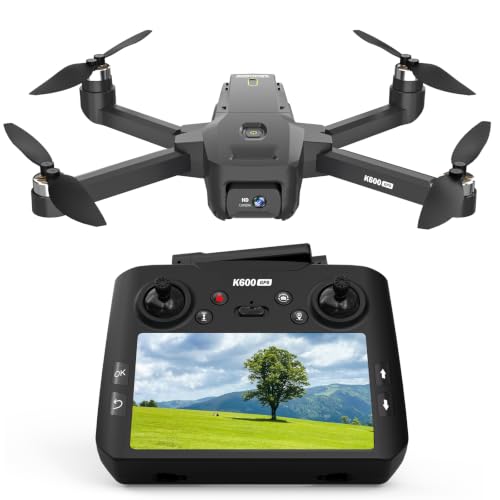
【4.5-Inch Built-in HD Display Remote Controller】The included remote controller features a large 4.5-inch non-touch high-definition screen, delivering real-time FPV live video feed directly to your hands for an immersive and instant flying experience. With support for a 32GB SD card, it enables immediate photo and video storage—ideal for both creators and beginners who value simple, reliable operation and extended control range.
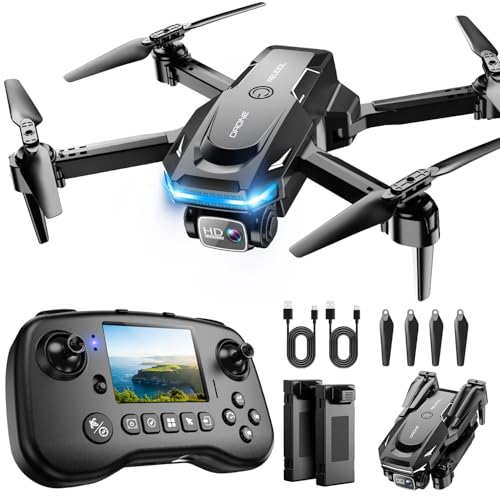
The PK01 drone's remote comes with a super handy built-in screen—no phone needed—so you can watch live HD footage and check flight stats right in your hands. (An SD card is required to save images and videos; not included) Powered by tough brushless motors, this little flyer is strong, smooth, and built to last. With one-key takeoff/landing, headless mode, and even 360° flips, you’ll look like a pro in no time. Ready for takeoff?🤩
Navigating Compliance Requirements for DJI Products
Keeping up with DJI drone compliance requirements has become a complex puzzle for drone enthusiasts and professionals alike! With deadlines shifting from September 2022 to December 2022 for new drones, and March 16, 2026, for existing owners, staying current is vital.
DJI has streamlined Update Procedures through firmware releases that enable Remote ID compliance, which transmits essential information like drone location and ID. Thankfully, most modern DJI models, including the Mavic 3 Enterprise series, have received FAA approval for these requirements.
Smart operators are seeking Compliance Training to understand both Remote ID and BVLOS regulations. Remember, while your Mini might seem harmless, it still requires registration and adherence to safety protocols! DJI’s compliance tools make handling these waters less intimidating—just be sure to keep those firmware updates current!
Recommended Products

【FAA Compliance】Easily meets FAA requirements for drones over 250 g (0.55 lb). This RID module replaces bulky add‑on RID units, enabling legal flight for Mavic 3, Mini 4 Pro, Phantom 4, ATOM 3‑Axis, HS720 series, FPV drones, and 20+ other models.

【FAA Compliance】Easily meets FAA requirements for drones over 250 g (0.55 lb). The HT65 RID module replaces bulky add‑on RID units, enabling legal flight for Mavic 3, Mini 4 Pro, Phantom 4, ATOM 3‑Axis, HS720 series, FPV drones, and 20+ other models.

𝗪𝗮𝗿𝗺 𝘁𝗶𝗽𝘀: In order to successfully complete the RID for GPS search operation, please operate in an unobstructed outdoor space
Separating Facts From Misconceptions About DJI Bans
Widespread rumors about DJI drone bans often overshadow the actual facts! Many owners hear alarming claims about their favorite flying devices being universally prohibited, when the reality is much more nuanced.
The Myth Origins of these rumors typically stem from conflating increased regulations with outright bans. Proper Fact Checking reveals that while DJI drones face scrutiny in some regions due to security concerns about Chinese technology, they aren’t banned worldwide! Instead, they’re subject to varying country-specific regulations that differ greatly across borders.
In the United States, for example, you’ll need to register drones over 0.55 pounds, while EU countries have their own registration requirements for camera-equipped models. Don’t let misinformation ground your drone adventures! Understanding the distinction between reasonable regulation and actual bans helps enthusiasts confidently navigate the complex but manageable world of drone ownership.
Frequently Asked Questions
How Do DJI Drone Bans Affect Professional Filmmaking and Photography?
Professional filmmakers and photographers face potential workflow disruptions, requiring creative adaptations to alternative equipment if restrictions are enacted. The situation raises ethical implications regarding equipment investment and industry standards during this regulatory uncertainty.
Can I Modify My DJI Drone While Complying With Regulations?
Nearly 40% of commercial drone operators modify their equipment. Users can implement legal modifications like payload adjustments and safety upgrades while ensuring compliance with FAA regulations by maintaining remote ID functionality and warning systems.
Will Older DJI Drone Models Face Retroactive Restrictions?
Vintage models of DJI drones are unlikely to face immediate retroactive restrictions. Current legislation proposals and regulatory frameworks suggest older units will remain operational, though future compliance may depend on retroactive updates to software systems.
How Do Insurance Policies Cover Restricted DJI Drones?
Insurance policies for restricted DJI drones often contain specific policy exclusions related to regulatory compliance. Operating banned models may result in claim denials if usage violates local laws or specified terms of coverage.
What Alternatives Exist if DJI Drones Become Unavailable in My Region?
Several alternative brands exist including Autel, Parrot, Skydio, SenseFly, and Yuneec. Users should research each option’s features and check with regional suppliers for local availability, service support, and compliance with regulations.


