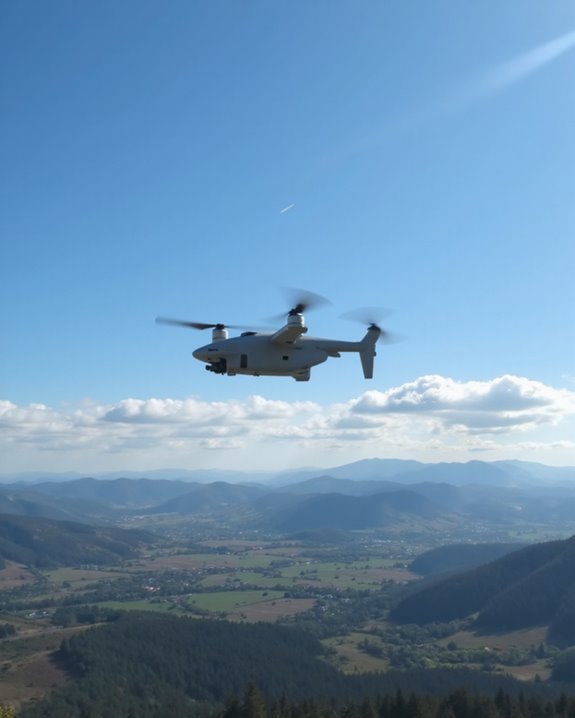
For beginners in 2026, the BetaFPV Cetus X Kit stands out as the best FPV drone, thanks to its crash-resistant frame, auto-stabilization, and easy-to-switch flight modes. It comes ready-to-fly with goggles, controller, and batteries—no confusing setup needed! Other solid choices include tiny, durable CineBee and Lite kits, offering GPS return and multipurpose options for indoor or outdoor fun. If you’re curious whether Walksnail or DJI has the best goggles or want long flight times, there’s even more to discover!
Key Takeaways
- Choose beginner FPV drones with durable frames, crash protection, and auto-stabilization for stress-free learning and safer flights.
- All-in-one RTF kits like the BetaFPV Cetus Lite provide everything needed—drone, goggles, and controller—without requiring assembly or technical setup.
- Look for drones with adjustable flight modes (Angle, Horizon, Air) and multiple speed settings to support skill progression.
- Consider FPV systems: DJI and Walksnail offer better visuals, while HDZero provides lower latency for racing and quicker response.
- Prioritize models with active community support, simulator integration, and easy-to-find replacement parts for a smoother beginner experience.
What to Look for in a Beginner FPV Drone
You may be interested
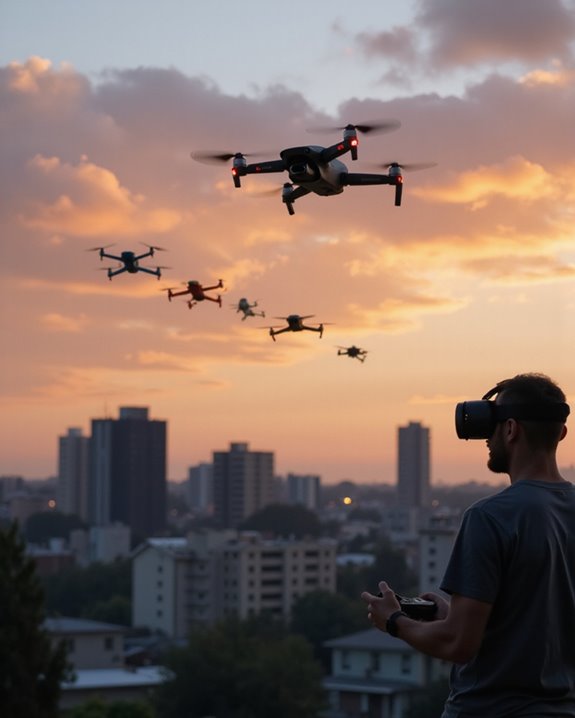
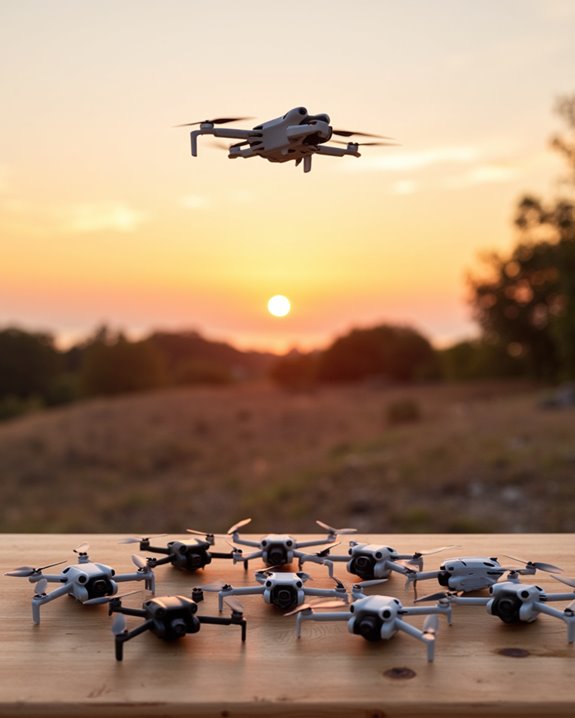
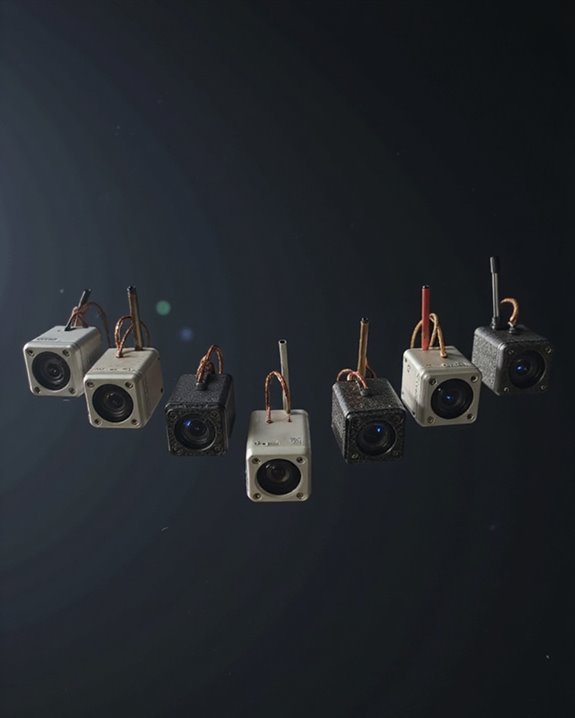
So, what exactly should a beginner look for when picking out their first FPV drone? First, durability is key—nobody wants their new drone to shatter after one clumsy landing! Look for drones with sturdy airframes and crash-resistant protection. GPS Capabilities can be a lifesaver, especially for those “Where did it go?” moments, offering features like auto-return and better stabilization. Simulator Integration is another must-have; before you ever leave the living room, you can practice flying in virtual worlds, reducing repair bills and boosting confidence. Flight controllers with easy-to-use controls and training modes help make learning less stressful. Reliable batteries, affordable FPV goggles, and an active community for support are also important. In short, choose smart, fly safe, and have fun! Additionally, selecting a drone with multiple speed modes allows beginners to progress from novice to more advanced flying techniques smoothly.
Recommended Products

GPS Drone with 4.5 Inch Screen on Controller: The GPS drone long range remote features a 4.5 inch HD display for real-time transmission, instantly previewing footage and capturing every moment. Stay in full control of your drone’s flight with crystal-clear visuals.

【4K UHD Camera & 120° wide-angle & 90° adjustable】UHD 4K Camera ensures shooting 4096 x 3072P high resolution images. Combined with 120°wide-angle and 90° adjustable lens, it brings you an immersive flying experience like never before. (Suport SD card)

【2K HD Camera & 5G Real-Time Transmission】 Capture crisp 2K high-resolution photos and videos with smooth 5G Wi-Fi transmission for a stable, real-time viewing experience by using Scrubuz drones. Thanks to the 90° electric adjustable camera with 110° wide-angle lens, allowing you to achieve more vast landscapes, which can be saved to the Micro SD card not exceed 64GB or directly on your mobile device.
Top Ready-to-Fly FPV Drone Kits for New Pilots

Once new pilots know what to look for in a beginner FPV drone, the next exciting step is picking the right ready-to-fly (RTF) kit. These all-in-one kits, like the BetaFPV Cetus Lite or Rotor Riot’s starter bundles, include the drone, goggles, and transmitter—no extra shopping required! RTF kits are pre-configured for easy setup, so you can get airborne quickly without technical headaches. For those dreaming of racing applications or just zipping around the living room, there are kits tailored to both indoor and outdoor use. Compact designs make them perfect for travel—just toss one into a backpack and go. With prices often under $300, these kits offer excellent value, strong community support, and features like auto-stabilization for a smooth, safe start. Many beginner kits also feature altitude hold and multiple speed modes to help new pilots gradually build their flying skills.
Recommended Products
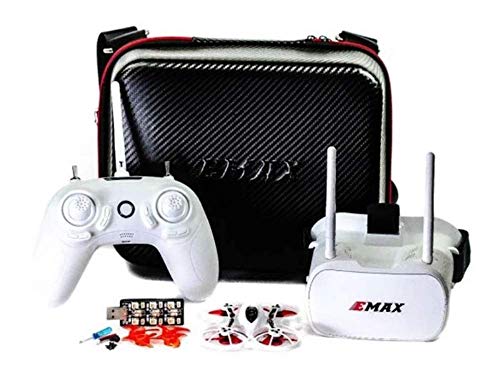
Kit in cludes FPV goggles, Controller and Tinyhawk drone, all ready to fly!

𝐘𝐨𝐮𝐫 𝟏𝐬𝐭 𝐃𝐈𝐘 𝐃𝐫𝐨𝐧𝐞 - F450 is the best DIY drone for both beginners to learn the basics and experts to conduct research or secondary development.

Cetus FPV Kit: BETAFPV Cetus FPV kit is comes with a special design of Cetus Brushed Whoop Quadcopter, LiteRadio 2 SE and VR02 FPV Goggles. The Cetus quadcopter has an excellent self-protection function, which can make an emergency landing whenever loses control or is in low battery
BetaFPV Cetus X Kit: The All-in-One Starter Choice
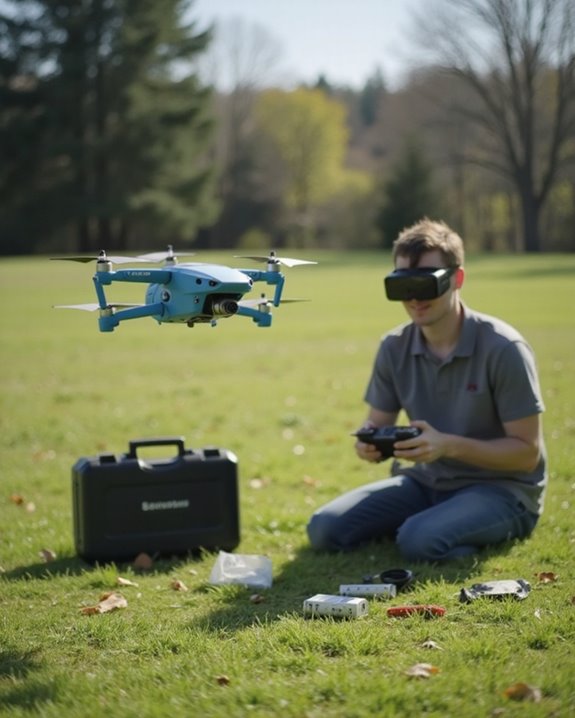
The BetaFPV Cetus X Kit has quickly become a favorite among beginner FPV pilots, and it’s easy to see why! This all-in-one kit packs just about everything you need: goggles, controller, batteries, and even a drone with ELRS Support for reliable signal—no more losing control halfway through a flight. The adjustable camera tilt is a small but fantastic feature, allowing new pilots to experiment with different viewing angles as they progress. With flight modes like Angle, Horizon, and Air, it’s like having three drones in one, guiding you gently from cautious beginner to confident flyer. The lightweight frame and speedy 1103 motors make it nimble and fun, while BetaFPV’s active community is always ready to help if you get stuck—no stress! Similar to other beginner-friendly drones like the Mobula6, it benefits from a built-in ExpressLRS receiver that ensures responsive and reliable control indoors.
Recommended Products

★Stable - 4mm carbon fiber frame arms and shock absorber cottons.
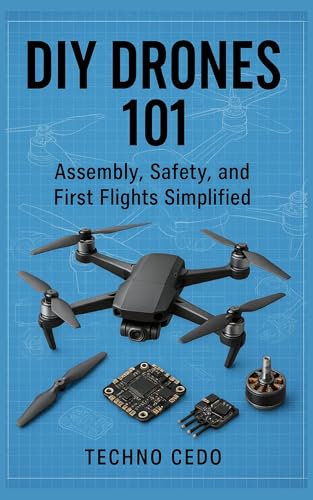

2inch APEX FPV Drone Frame Kit Quadcopter for DJI O4 Air Unit F411 F722 F405 1103 1104 1202 1204 1206 Motor
Comparing Popular FPV Systems: DJI, Walksnail, and HDZero
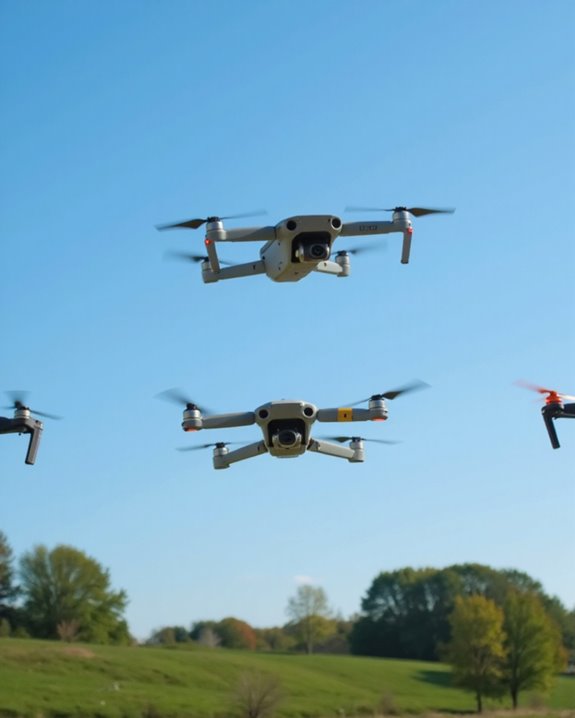
After checking out the all-in-one BetaFPV Cetus X Kit, many beginners start wondering what sets the different FPV video systems apart—because not all buzzing drones see the world the same way! DJI leads with crisp image resolution, thanks to big sensors, though their units can be chunky for tiny drones. Walksnail strikes a sweet spot: nearly as sharp as DJI, but smaller and lighter, making it a hit for micro-sized quads. HDZero lags in image resolution yet trumps everyone in system latency, offering lightning-fast, consistent response—awesome for racers who live for speed! DJI and Walksnail suit those craving cinematic views, while HDZero’s low latency thrills those chasing every millisecond. Beginners should weigh crystal-clear visuals against response time—no pressure, just pick what excites you most!
Recommended Products

Crisp 1080P/60FPS with Ultra-Wide Night Vision: Powered by a large 1/1.8-inch Starvis II sensor, 160° ultra-wide FOV, and advanced H.265 encoding, capture more of your surroundings with stunning clarity day or night. Perfect for immersive FPV flights through city skylines, forests, and outdoor trails

Open-Source Foundation: The WiFiLink FPV Camera system is built on OpenIPC, fostering a community-driven approach to development and customization. This allows users to tailor their FPV experience to their specific needs.
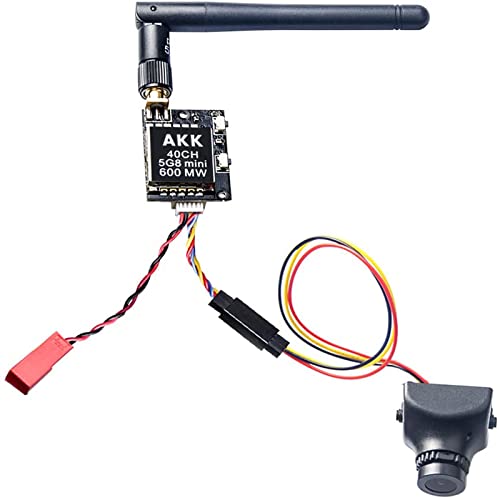
A RTF FPV System for beginners, Suitable for all quadcopters and drones
Durability and Flight Time: Managing Expectations
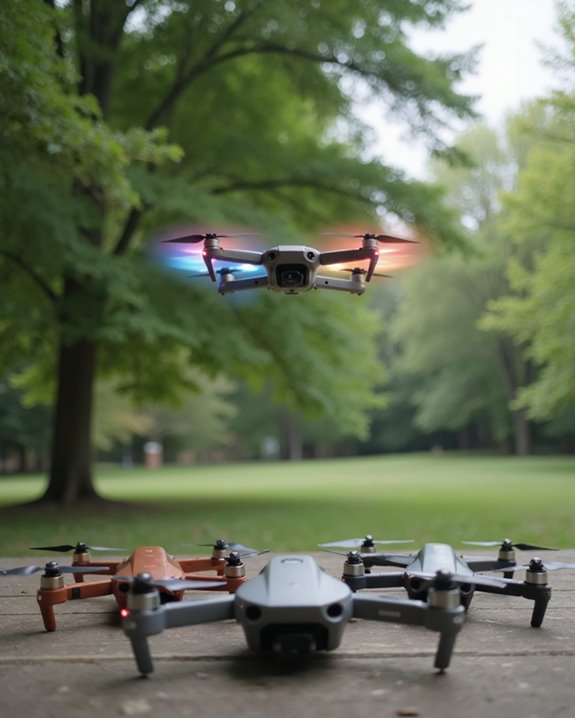
How tough does a beginner FPV drone need to be, and can it actually stay in the air long enough to have some fun? Durability Testing matters a lot—new pilots crash, it’s part of the learning process! Drones like the iFlight CineBee or CineRace use sturdy frames and tough plastics, making them excellent for surviving those “oops” moments. Compact designs don’t just look cool; they help absorb impacts and keep replacements cheap. But what about Flight Optimization and battery life? Most beginner drones fly for 5-7 minutes on a charge, so don’t expect marathon sessions. Bigger batteries can help, but they add weight, affecting maneuverability. Balancing efficient power management with practical expectations guarantees more fun, fewer headaches, and less time spent picking up broken parts!
Essential Accessories for New FPV Pilots

No beginner FPV pilot should take off without a solid kit of accessories, because let’s face it—flying isn’t just about the drone! Top of the list are FPV goggles—treat them well with regular goggle maintenance, because foggy lenses or loose straps can ruin any flight. Next, don’t forget video transmitters and high-gain antennas for a crisp, steady view. Batteries need thoughtful battery storage—use a fireproof bag and never leave them charging unattended, unless you fancy a surprise barbecue. Spare props and motors save the day after rough landings, and crash pads soften those “oops” moments. Basic tool kits and safety goggles make repairs a breeze, while propeller guards help keep your fingers safe. With these essentials, new pilots are ready for anything the skies throw their way!
Recommended Products

Muti-functional RC Tool Set: This highly integrated tool kit includes almost everything you need in the field, especially for fpv drone pilots.

【Comprehensive Cleaning Solution】: Our cleaning kit is meticulously designed to address every cleaning pain point of your drone. From removing stubborn dirt and grime to ensuring crystal-clear camera lenses, this kit has everything you need for a thorough cleaning experience.

Complete Obstacle Course for FPV Racing Excitement: Featuring 3 pack of easy-to-build obstacle hoops that enhance your flying skills and fun. Configure 3-loop racing routes for a challenging experience
Overcoming Common Challenges in FPV Flying
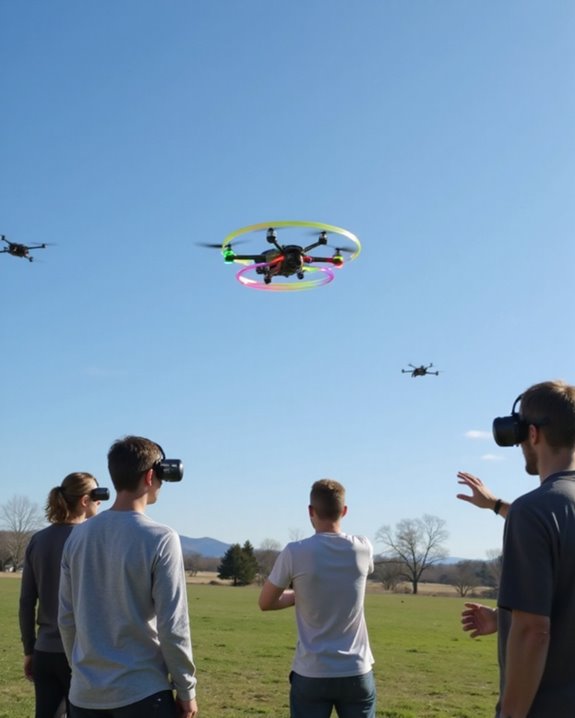
Ever wonder why piloting an FPV drone feels a bit like learning to ride a bike—only your “wobbles” can send your quad spinning into a tree? For beginners, challenges are part of the journey! Confidence Building starts with small steps: using FPV simulators for at least ten hours, practicing throttle control, and choosing open spaces for early flights. Mistake Analysis is your secret weapon—watch your recorded flight footage to spot patterns, like overcorrecting or picking poor lines through obstacles. Crashes? Expect them, and don’t be discouraged; each one is a lesson in disguise. Join online FPV communities and share your adventures—there’s always someone ready to help. With regular practice and a dash of patience, those “tree moments” soon become rare!
Future Trends in Beginner FPV Drone Technology
While the world of FPV drones for beginners has already taken off in exciting ways, the future promises even more thrilling possibilities for new pilots. Imagine drones that fly themselves using AI-powered object detection and obstacle avoidance—talk about flying on autopilot, literally! With advances like solid-state and lithium-sulfur batteries, you might soon fly for 20 minutes without a pit stop. FPV goggles will get even crisper, and virtual reality integration could make you feel like a tiny daredevil pilot. But as AI-based piloting becomes normal, questions about AI Ethics—like privacy and safety—will matter more than ever. Expect more affordable beginner models, smarter controllers, and training simulators that feel like real flying. The sky’s not the limit; it’s just the start!
Frequently Asked Questions
Can I Fly Beginner FPV Drones Indoors Safely?
Much like maneuvering a toy boat in a bathtub, flying beginner FPV drones indoors is safe with precautions—adequate indoor lighting, prop guards, and environmental awareness. Studies show prop guards reduce indoor drone collision damage by over 50%.
Do I Need a License or Registration to Fly FPV Drones?
Drone Licensing is required for commercial FPV drone use, involving a test and certification. Registration Fees apply for drones over 0.55 lbs, regardless of use. Recreational pilots need not be licensed, but registration rules and age limits apply.
Are FPV Drones Safe for Children or Young Teens to Use?
FPV drones can transform into wild, whirring hazards for children without strict child safety measures, yet they offer extraordinary teen benefits in STEM learning. Adult supervision, safety gear, and age-appropriate drones are absolutely critical for safe enjoyment.
How Far Can Beginner FPV Drones Typically Fly From the Pilot?
Beginner FPV drones typically offer a drone range between 2 to 5 kilometers from the pilot. However, flight limits are often determined by legal requirements, environmental factors, and maintaining visual line of sight to guarantee safe operation.
What Should I Do if I Lose Video Signal Mid-Flight?
Like a lighthouse guiding lost ships, signal recovery steps—checking connections, switching frequencies, or using failsafe options—should be followed. Pilots may also adjust altitude, inspect power supply, or engage automatic return-to-home features to regain video signal.